How to Appeal a Denied Workplace Injury Claim
WorkCover Hub Team3 min read
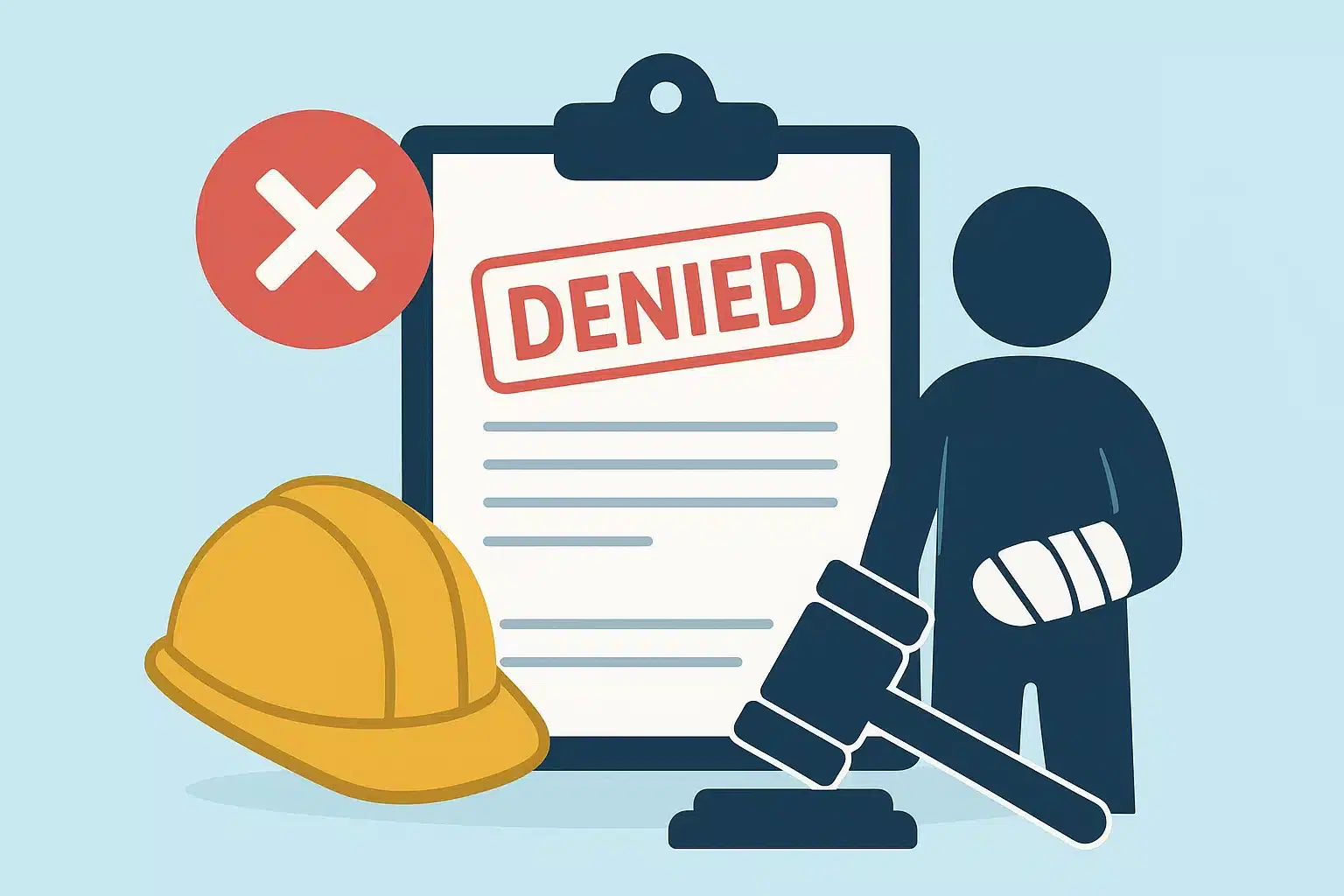
Facing a workplace injury is stressful, and having your workers’ compensation claim denied can make it even more overwhelming. Fortunately, a denial doesn’t mean the end of the road. Every injured worker has the right to appeal a denied workplace injury compensation claim and pursue the benefits they deserve.
How to Appeal a Denied Workplace Injury Compensation Claim
Let’s begin by exploring the right steps to take when an injury occurs at work to ensure safety and avoid panic.The Reason for Denial
Review the insurer’s denial notice carefully. Common reasons include:- Injury deemed not work-related
- Delays in reporting the incident
- Incomplete or insufficient medical evidence
- Pre-existing medical conditions
- Disputed circumstances of the injury
Gather Supporting Evidence
Collect all relevant documents to strengthen your appeal:- Medical reports and certificates linking the injury to work
- Workplace incident reports
- Statements from witnesses
- Photos or videos of the accident site
- Receipts for medical or rehabilitation expenses
3. Request an Internal Review
Before filing a formal appeal, request an internal review from the insurer:- Submit in writing within the timeframe specified in the denial notice
- Include all supporting evidence
- Keep copies of all correspondence
4. File a Formal Appeal
Submit a formal appeal to the appropriate authority:- NSW: Personal Injury Commission (PIC)
- Victoria: WorkSafe Victoria
- Queensland: Workers’ Compensation Regulator
Time-sensitive
Attach all supporting documents, including the insurer’s denial letter. File within the required timeframe (usually 30–90 days).
5. Seek Professional Assistance
A workers’ compensation lawyer or injury management consultant can help:- Review your claim and strengthen your evidence
- Represent you at hearings or conciliation sessions
- Advise on your legal rights and potential outcomes
6. Attend Hearings or Conciliation
Be prepared to present your case clearly and factually during:- Conciliation sessions (mediation to resolve disputes)
- Formal hearings before the relevant authority
7. Stay Organised and Follow Up
- Keep copies of all forms, medical records, and correspondence
- Respond promptly to requests from insurers or the authority
- Track deadlines and appointments to avoid delays
8. Know Your Rights
As an injured worker, you have the right to:- Appeal a denied workers’ compensation claim
- Access medical care and wage replacement if approved
- Seek independent legal advice
- Escalate to higher authorities if necessary
Key takeaways
- A denied workplace injury compensation claim is not the end of the matter.
- Start with the written reasons for the denial, then gather the evidence that answers them.
- Follow the internal review and the formal appeal steps in order.
- Get professional guidance early, and act inside the appeal windows.